
Bunions: When Is Surgery the Right Choice?

A bunion is more than just a cosmetic bump on the side of the foot. It is a progressive deformity of the big toe joint that can cause pain, swelling, and difficulty wearing shoes. Many people ignore bunions until the pain becomes severe, but early understanding and treatment can prevent long-term problems. What Is a Bunion? A bunion, medically called hallux valgus, develops when the big toe moves toward the second toe and the joint at its base pushes outward. Over time, this misalignment causes the joint to become enlarged and inflamed. Bunions tend to worsen gradually and do not go away on their own. Common Symptoms As the deformity progresses, walking becomes more uncomfortable. What Causes Bunions? Bunions may develop due to: Once formed, bunions usually continue to worsen without treatment. Non-Surgical Treatment In early stages, bunion pain can often be managed with: These methods help reduce discomfort but do not correct the deformity. When Is Bunion Surgery Needed? Surgery is considered when: Bunion surgery is not cosmetic—it is done to restore foot function and relieve pain. What Does Bunion Surgery Do? Modern bunion surgery realigns the bones, ligaments, and tendons of the big toe joint. Minimally invasive techniques allow: Recovery After Surgery Most patients begin walking in a special shoe soon after surgery. Swelling reduces gradually over weeks, and normal footwear can usually be worn again in a few months. Why Early Treatment Matters Ignoring bunions can lead to: Early evaluation allows better outcomes and simpler treatment.
Ankle Sprains: Why Repeated Injuries Lead to Chronic Instability

Ankle sprains are one of the most common sports and daily injuries. However, repeated sprains can lead to long-term ankle instability if not treated properly. What Is an Ankle Sprain? An ankle sprain occurs when the ligaments that support the ankle stretch or tear due to twisting or rolling of the foot. Common Causes Symptoms What Is Chronic Ankle Instability? If ankle ligaments do not heal correctly, the ankle remains weak and unstable. This leads to repeated sprains, swelling, and joint damage. Diagnosis Doctors may perform stability tests, X-rays, or MRI scans to evaluate ligament damage. Treatment Options Mild cases respond well to: Severe or long-term instability may require ankle ligament reconstruction surgery. Why Early Treatment Matters Ignoring ankle injuries can lead to arthritis and long-term disability. Early treatment ensures better recovery and prevents future damage.
Flat Foot: Why It Causes Pain and How It Can Be Treated
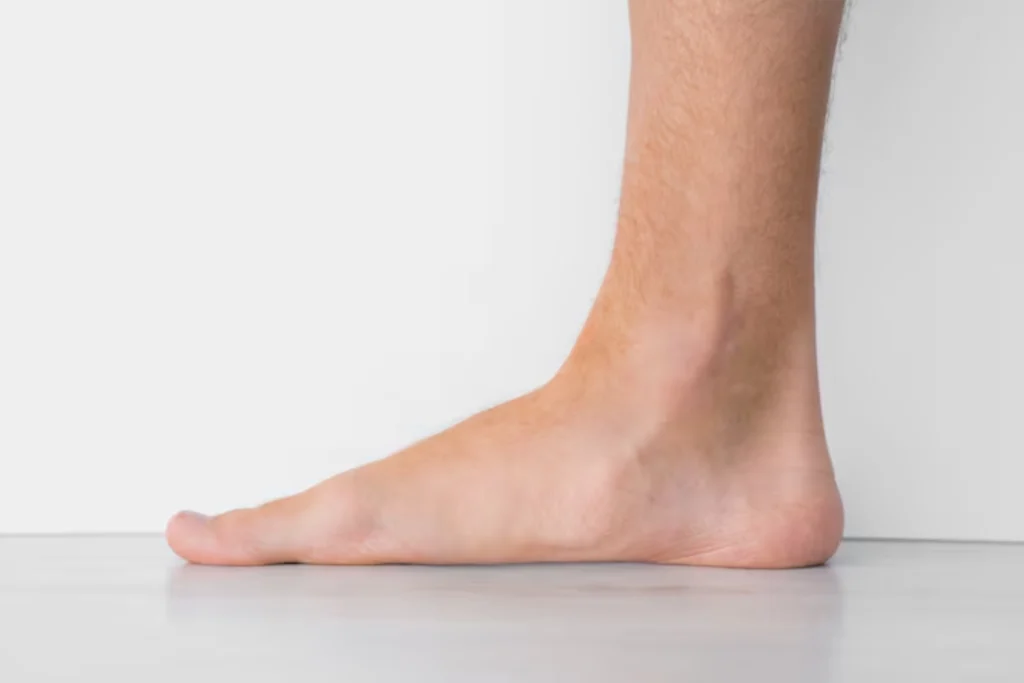
Flat foot, also called fallen arches, occurs when the natural arch of the foot collapses. This condition can cause foot fatigue, pain, and imbalance throughout the body. What Is Flat Foot? In flat foot, the entire sole touches the ground while standing. It may develop from childhood or appear later due to tendon weakness, injury, or aging. Symptoms of Flat Foot Flat feet can affect posture and walking pattern. Why Flat Foot Causes Problems Without a proper arch, the foot loses its natural shock absorption. This puts extra strain on the ankle, knees, and spine, leading to pain and joint problems. How Flat Foot Is Diagnosed A foot specialist will assess foot posture, walking style, and alignment. X-rays may be taken to see bone structure and joint position. Flat Foot Treatment Options Most patients improve with: When Is Surgery Needed? If flat foot becomes painful and progressive despite non-surgical care, surgery may be needed to restore arch alignment and tendon balance. Long-Term Care Wearing supportive footwear and using orthotics helps prevent progression and maintain comfort.
Heel Pain: Causes, Symptoms, and the Right Treatment

Heel pain is one of the most common foot problems affecting people of all ages. Whether it’s a sharp pain in the morning or discomfort after long hours of standing, heel pain can significantly affect your mobility and daily routine. What Causes Heel Pain? Heel pain usually develops when the tissues that support the foot become overworked or injured. Common causes include: These conditions may start mildly but worsen over time if left untreated. Common Symptoms Ignoring these symptoms can lead to chronic discomfort. How Heel Pain Is Diagnosed A foot and ankle specialist will examine your foot alignment, walking pattern, and pain location. X-rays or ultrasound may be used to confirm conditions like heel spurs or tendon inflammation. Treatment Options Most heel pain improves with non-surgical care, including: Advanced treatments like shockwave therapy or injections may be used for stubborn cases. When Is Surgery Needed? Surgery is rarely required and only recommended when all non-surgical treatments fail. Modern minimally invasive techniques ensure faster recovery. Preventing Heel Pain Early treatment can help you walk pain-free again.
 Chat on WhatsApp
 Book An Appointment